
I love serving a simple bowl of Shirazi Salad when the North Carolina summer heat makes the kitchen feel like a furnace. My daughter and two grandsons have grown up learning that the best medicine often comes straight from the garden, and this crisp combination of cucumbers and tomatoes is exactly that. It reminds me of the days when I realized that returning to the kitchen meant more than just baking; it meant nourishing the people I love with real, healing food. This fresh Mediterranean diet side dish brings a sense of calm and connection to the table without ever lighting a stove.
Fresh Ingredients and Tools for an Authentic Shirazi Salad
The heart of this dish lies in the quality of the vegetables. You will need two cups of diced cucumbers and two cups of diced tomatoes, chopped into small, uniform pieces so every bite is balanced. I prefer using firm cucumbers and ripe, juicy tomatoes because they hold up well and release just enough liquid to season the salad naturally.
For the onion, you need a half cup of finely chopped red onion. The sharpness of red onion adds a necessary bite that cuts through the richness of the oil and lemon. If you find raw onion too strong, soaking the pieces in cold water for a few minutes before chopping can tame the flavor without losing that essential texture.
The dressing is beautifully minimal, relying on just two tablespoons of fresh lemon juice and two tablespoons of extra virgin olive oil. This combination mimics the traditional Persian salad dressing that relies on acidity and fat to bring the vegetables together. I always squeeze the lemon myself because bottled juice just doesn’t have the same bright, clean taste.
To finish the seasoning, you will need one teaspoon of dried mint and a single pinch of salt. The dried mint might seem subtle, but it blooms as it sits with the vegetables, releasing a gentle aroma that is unmistakable. You will also need a large mixing bowl, a sharp knife, and a cutting board to prepare the ingredients safely and efficiently.
Quick Prep Time for a No-Cook Shirazi Salad
One of the best things about this recipe is that it requires absolutely no heat. The prep time is just 15 minutes, with a cook time of zero minutes, making it perfect for busy weekdays or spontaneous gatherings. There is no need to preheat an oven or wait for water to boil; the freshness of the ingredients does all the work for you.
Because this is a no-cook preparation, the equipment list stays simple. You only need a large mixing bowl, a sharp knife, and a cutting board. I always make sure my knife is sharp before I start dicing; a dull blade tends to crush the tomatoes and cucumbers rather than slicing them cleanly, which can make the salad watery.
The total time from start to finish is 15 minutes, which includes the brief resting period that allows the flavors to marry. This short wait is crucial for a no-cook dish because it gives the salt and lemon juice time to penetrate the vegetables. Even though you could serve it immediately, a few minutes of patience rewards you with a much more cohesive salad.
How to Make a Perfect Shirazi Salad Step by Step
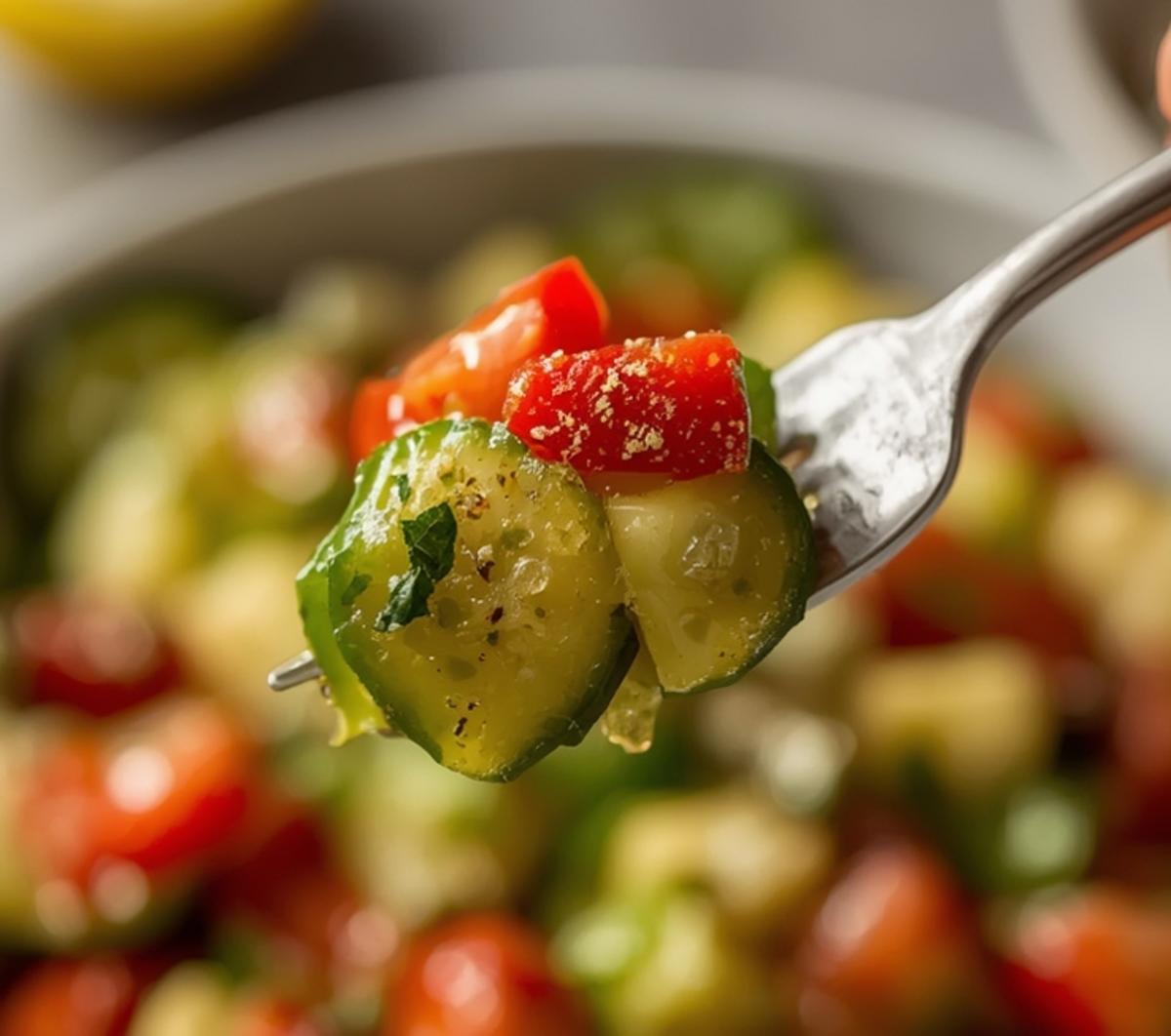
Start by dicing the cucumbers, tomatoes, and red onion into small, uniform pieces. I like to keep the dice small so that the salad is easy to eat with a fork and the flavors distribute evenly. Place all these chopped vegetables into your large mixing bowl.
Next, drizzle the fresh lemon juice and extra virgin olive oil over the chopped vegetables. Pour the oil and lemon juice gently so they coat the pieces evenly rather than pooling at the bottom. The extra virgin olive oil adds a silky mouthfeel that balances the acidity of the lemon.
Now, sprinkle the dried mint and a single pinch of salt over the bowl. The salt helps draw out the natural juices from the cucumbers and tomatoes, creating a light, savory dressing right in the bowl. Toss everything gently to combine, being careful not to mash the delicate pieces.
Let the salad sit for five minutes to allow the flavors to meld before serving. This resting period is essential for a fresh salad recipe like this, as it lets the dried mint hydrate slightly and the vegetables soften just a bit. Serve it immediately while it is still crisp and vibrant.
Why This Salad Fits a Healthy Mediterranean Diet
This dish is a classic example of a Shirazi Salad, which originates from the city of Shiraz in Iran and is a staple in Middle Eastern cuisine. It fits perfectly into a Mediterranean diet because it relies on olive oil, fresh vegetables, and herbs rather than heavy creams or processed ingredients. The simplicity of the preparation preserves the nutritional integrity of the produce.
When I eat this salad, I feel lighter and more energetic, which is exactly what a summer side dish should provide. It is naturally low in carbohydrates, making it an excellent choice for anyone watching their intake while still wanting a satisfying side. The combination of high water content from the vegetables and healthy fats from the olive oil supports hydration and satiety.
This fresh salad recipe offers a clean, crisp texture that contrasts beautifully with heartier main courses. Whether you are serving grilled fish or a simple piece of chicken, this salad adds a burst of freshness without weighing the meal down. It is a testament to how simple ingredients can create a complex, satisfying flavor profile.
Easy Variations for Your Shirazi Salad Creation
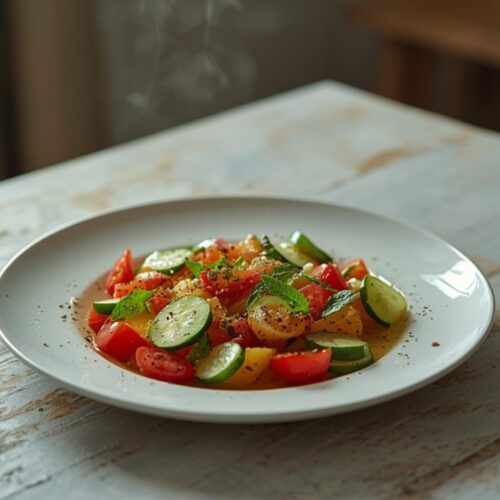
While the traditional recipe is perfect as is, I sometimes like to add a little crumbled feta cheese for a salty kick. If you prefer a bit more crunch, tossing in some finely diced bell peppers can add a sweet, crisp element to the salad. These variations keep the spirit of the dish alive while offering a new texture.
Another way to adapt this recipe is to add fresh parsley or cilantro if you have them on hand. While the classic recipe relies on dried mint, a handful of fresh herbs can brighten the flavor profile even more. I recommend chopping them finely so they blend seamlessly with the other vegetables.
If you are serving this as a main dish, you can add cooked chickpeas or lentils to make it more filling. This turns the salad into a complete meal that still fits within a low carb salad lifestyle if you watch the portion sizes. The key is to keep the vegetable-to-addition ratio high so the salad remains crisp and refreshing.
Common Errors When Making a Shirazi Salad
A common mistake I see is cutting the vegetables too large, which makes the salad difficult to eat and unbalanced in texture. The recipe calls for small, uniform pieces specifically so that every forkful contains a bit of cucumber, tomato, and onion. If the pieces are too big, the dressing cannot coat them evenly.
Another error is over-salting or under-salting the dish. The recipe specifies just a pinch of salt, which is often enough because the lemon juice provides plenty of brightness. Taste the salad after tossing and adjust only if necessary; you can always add more salt, but you cannot take it away.
Skipping the resting time is also a mistake that affects the final flavor. Letting the salad sit for five minutes allows the dried mint to release its oils and the lemon juice to permeate the vegetables. Without this step, the salad tastes disjointed, with each ingredient standing apart rather than blending together.
How to Store and Keep Your Shirazi Salad Crisp
This salad is best eaten fresh, but if you have leftovers, store them in an airtight container in the refrigerator. The high water content of the tomatoes and cucumbers means the salad can become watery after sitting for a while. To keep it crisp, try to consume it within 24 hours.
If you plan to make the salad ahead of time, consider keeping the dressing separate until just before serving. You can chop the vegetables and store them in the fridge, then drizzle the lemon juice and olive oil right before you toss and serve. This simple step helps maintain the crunch of the cucumbers and the firmness of the tomatoes.
Do not freeze this salad, as the vegetables will lose their texture and become mushy when thawed. The beauty of a fresh salad recipe like this is its crispness, which cannot be recovered once it is lost. Always store leftovers in the coldest part of your refrigerator to preserve freshness.
Enjoy Your Fresh and Simple Shirazi Salad
Sitting down to a bowl of this salad feels like a celebration of simple, nourishing food. It brings the warmth of my Southern kitchen together with the bright, clean flavors of a Mediterranean salad, creating a bridge between cultures and traditions. I hope this recipe finds a place at your table and in your heart.
Sharing food like this is how we show love, and I am honored to share this piece of my kitchen wisdom with you. Whether you are serving it alongside a weeknight dinner or bringing it to a potluck, this Shirazi Salad is sure to delight. It is a reminder that healthy eating does not have to be complicated or bland.
Take a moment to enjoy the colors, the crunch, and the refreshing taste of this beautiful side dish. It represents everything I believe about food: that it should be real, healing, and shared with those you love. Enjoy every bite, and let the simplicity of the ingredients bring peace to your day.
Nutrition Facts (Per Serving)
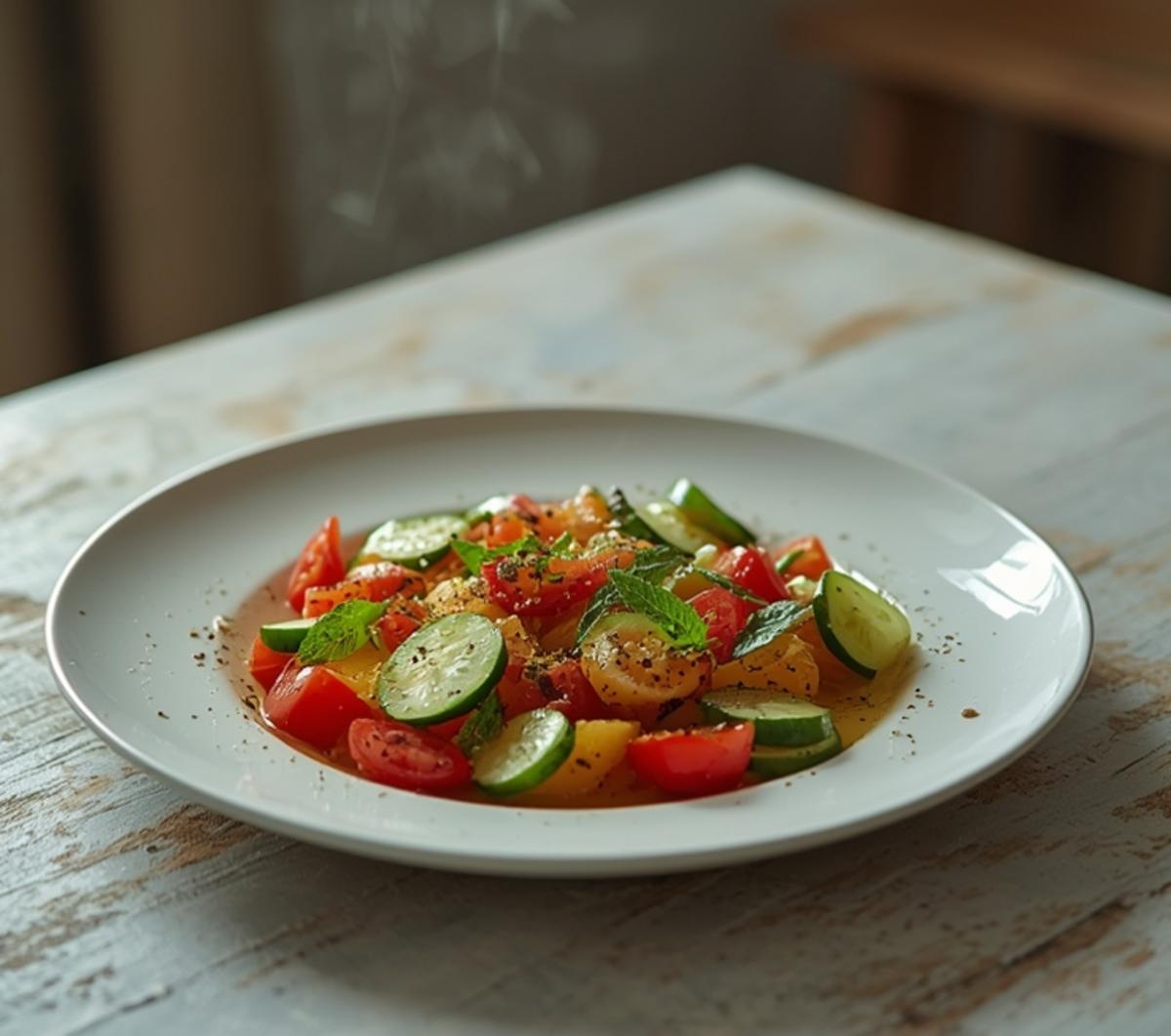
Easy Shirazi Salad Recipe for a Light Mediterranean Diet Side
Ingredients
Equipment
Method
- Dice the cucumbers, tomatoes, and red onion into small, uniform pieces and combine them in a large mixing bowl.
- Drizzle the fresh lemon juice and extra virgin olive oil over the chopped vegetables.
- Sprinkle with dried mint and a pinch of salt, then toss gently to combine all ingredients.
- Let the salad sit for 5 minutes to allow the flavors to meld, then serve immediately.
Frequently Asked Questions
Can I make Shirazi Salad ahead of time?
You can prepare the vegetables a few hours in advance and keep them separate. Combine all ingredients with the dressing just before serving to maintain the best texture and freshness.
What is the best way to store leftover Shirazi Salad?
Store any leftovers in an airtight container in the refrigerator for up to 2 days. The vegetables may release some water, so drain off excess liquid before serving again.
What can I substitute for fresh lemon juice?
For a slightly different flavor, you can use lime juice or a good quality white wine vinegar. Each will provide a similar acidic balance to the salad.
How can I add protein to this salad?
You can top the salad with crumbled feta cheese, chickpeas, or grilled chicken to make it a more substantial main course while keeping it within the Mediterranean diet guidelines.
Is this recipe suitable for a keto diet?
Yes, this Shirazi Salad is naturally low in carbohydrates and sugar, making it an excellent side dish for a keto or low-carb diet plan.
Have more questions? Leave a comment below and we will help you out!