
In my North Carolina kitchen, I’ve learned that the best desserts are the ones that feel like a hug but don’t leave you feeling weighed down. When I first started my wellness journey, I missed the light, airy texture of traditional sponge cakes, but I needed to keep things low-carb for my health. That is why I fell in love with this Keto Japanese Cheesecake. It brings together Southern comfort and Japanese precision in one beautiful, jiggly slice.
Essential Ingredients and Tools for Keto Japanese Cheesecake
To make this recipe, you will need one block of cream cheese, softened to room temperature. This is the foundation of our creamy texture, and I always let mine sit out on the counter while I gather my other tools.
You also need four large eggs, separated carefully into yolks and whites. The separation is crucial for achieving that signature lift in a Keto Japanese Cheesecake.
For sweetness without the sugar spike, we use 0.25 cup of granulated erythritol. It blends beautifully and keeps the carb count friendly for a sugar-free cheesecake experience.
We use just two tablespoons of almond flour to give the batter a little body without the gluten. Combined with one teaspoon of vanilla extract, these simple ingredients create a sophisticated flavor.
The equipment is straightforward and fits right into a home kitchen. You will need a 9-inch springform pan, an electric mixer, and a baking sheet for the water bath setup.
Having these tools ready before you start makes the process smooth and enjoyable. This approach keeps the stress out of baking, which is something my grandmother always taught me.
Baking Temperature and Timing for Perfect Keto Japanese Cheesecake
Baking this dessert requires patience and the right temperature. We set the oven to 320°F to ensure the center cooks evenly without burning the edges.
The total prep time is 20 minutes, and the cook time is 55 minutes. This brings the total time to 75 minutes, which is enough time to create a fluffy keto dessert without taking up your entire afternoon.
We bake the cake for 50 to 55 minutes until it is set and golden. The timing is specific to a 9-inch springform pan and a traditional oven setup.
This gentle baking method is what makes a Japanese cheesecake keto-friendly and successful. It avoids the high heat that can cause cracking or a rubbery texture in low-carb cheesecake.
Step-by-Step Guide to Making Keto Japanese Cheesecake
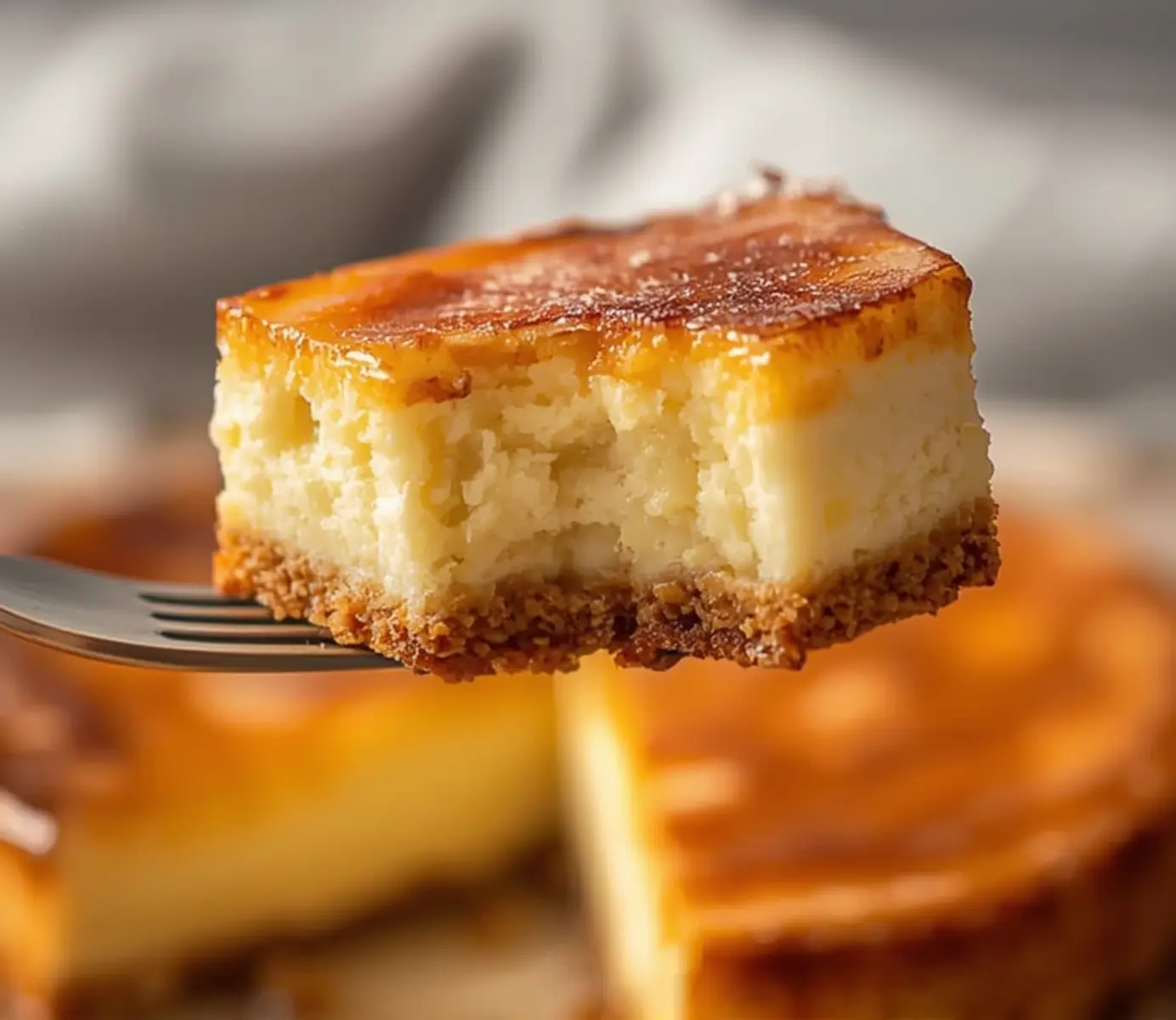
First, I preheat the oven to 320°F. I prepare a water bath by placing the springform pan inside a larger baking sheet filled with hot water, which creates a humid environment essential for a soft crumb.
Next, I take the separated egg whites and beat them with an electric mixer until stiff peaks form. Once they are ready, I set them aside carefully so they don’t deflate.
In a large bowl, I mix the softened cream cheese, egg yolks, erythritol, almond flour, and vanilla extract. I blend these until the batter is completely smooth and free of lumps.
Now comes the most delicate part of the Keto Japanese Cheesecake process. I gently fold the beaten egg whites into the cream cheese mixture until just combined, being careful not to knock out the air.
I pour the batter into the prepared springform pan. The pan goes into the oven, and I bake it for 50 to 55 minutes until it looks set and has a lovely golden hue on top.
After baking, I let the cheesecake cool completely. This resting time is vital for a sugar-free cheesecake to firm up properly before I slice and serve it.
Why This Keto Japanese Cheesecake Fits Your Low-Carb Lifestyle
This dessert is a wonderful example of a low-carb cheesecake that doesn’t sacrifice flavor or texture. It fits perfectly into a healthy eating plan because it relies on high-quality fats and proteins.
Many people look for a Japanese cheesecake keto adaptation because they want a fluffy keto dessert without the guilt. This recipe delivers that airy lift using simple, whole ingredients.
It is also a gluten-free dessert, using almond flour instead of wheat. This makes it suitable for those with sensitivities who still want to enjoy a classic treat.
By using natural sweeteners, we keep the blood sugar stable. These easy keto recipes prove that you can satisfy a sweet tooth while staying in ketosis.
Delicious Variations for Your Keto Japanese Cheesecake
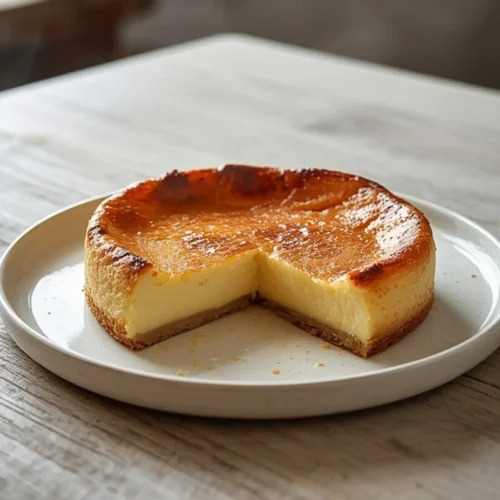
If you love a hint of citrus, add a little lemon or orange zest to the cream cheese mixture. The bright flavor complements the creamy base of the Keto Japanese Cheesecake beautifully.
You can also stir in a tablespoon of sugar-free cocoa powder for a chocolate twist. This variation keeps it a low-carb cheesecake while adding a rich, deep flavor profile.
For a nutty finish, sprinkle some crushed pecans or walnuts on top after baking. It adds a nice crunch and ties into the Southern tradition of baking with nuts.
These small changes keep the recipe versatile. Whether you stick to the original or try a variation, this Japanese cheesecake keto friendly dessert will always be a crowd-pleaser.
Common Errors When Baking Keto Japanese Cheesecake
One common mistake is not beating the egg whites to stiff peaks. If they are too soft, the cake won’t have that signature lift, and the texture will be dense instead of a fluffy keto dessert.
Another error is skipping the water bath. The steam from the baking sheet keeps the oven environment moist, preventing cracks in the surface of the low-carb cheesecake.
Opening the oven door too early can cause the cake to collapse. I wait until the minimum bake time of 50 minutes has passed before I check on it.
Finally, cutting into the cake before it cools is a recipe for a messy slice. Letting the Keto Japanese Cheesecake rest ensures it firms up for a clean presentation.
How to Store and Reheat Keto Japanese Cheesecake Correctly
Store the cheesecake in the refrigerator, covered loosely with plastic wrap. It will stay fresh and maintain its texture for up to three days when chilled properly.
For longer storage, you can freeze individual slices. Wrap them tightly in plastic wrap and place them in a freezer-safe bag to keep the sugar-free cheesecake from absorbing other flavors.
To reheat, let a slice sit at room temperature for about 15 minutes. This gentle method preserves the delicate structure of the Keto Japanese Cheesecake better than a microwave.
I avoid microwaving because it can make the texture rubbery. A slow thaw in the fridge followed by a room temperature rest is the best way to enjoy this gluten-free dessert again.
Enjoy Your Homemade Keto Japanese Cheesecake Today
I hope this recipe finds its way to your table and brings a little joy to your day. Baking this Keto Japanese Cheesecake is about more than just eating; it is about taking care of yourself with real food.
Gathering in the kitchen to make something nourishing is a tradition I cherish. Whether you are new to keto or a seasoned pro, this recipe is a gentle reminder that healthy eating can be delicious.
Try making this soon and share it with the people you love. It is a wonderful way to show care and keep the spirit of home cooking alive in a modern, healthy lifestyle.
Nutrition Facts (Per Serving)
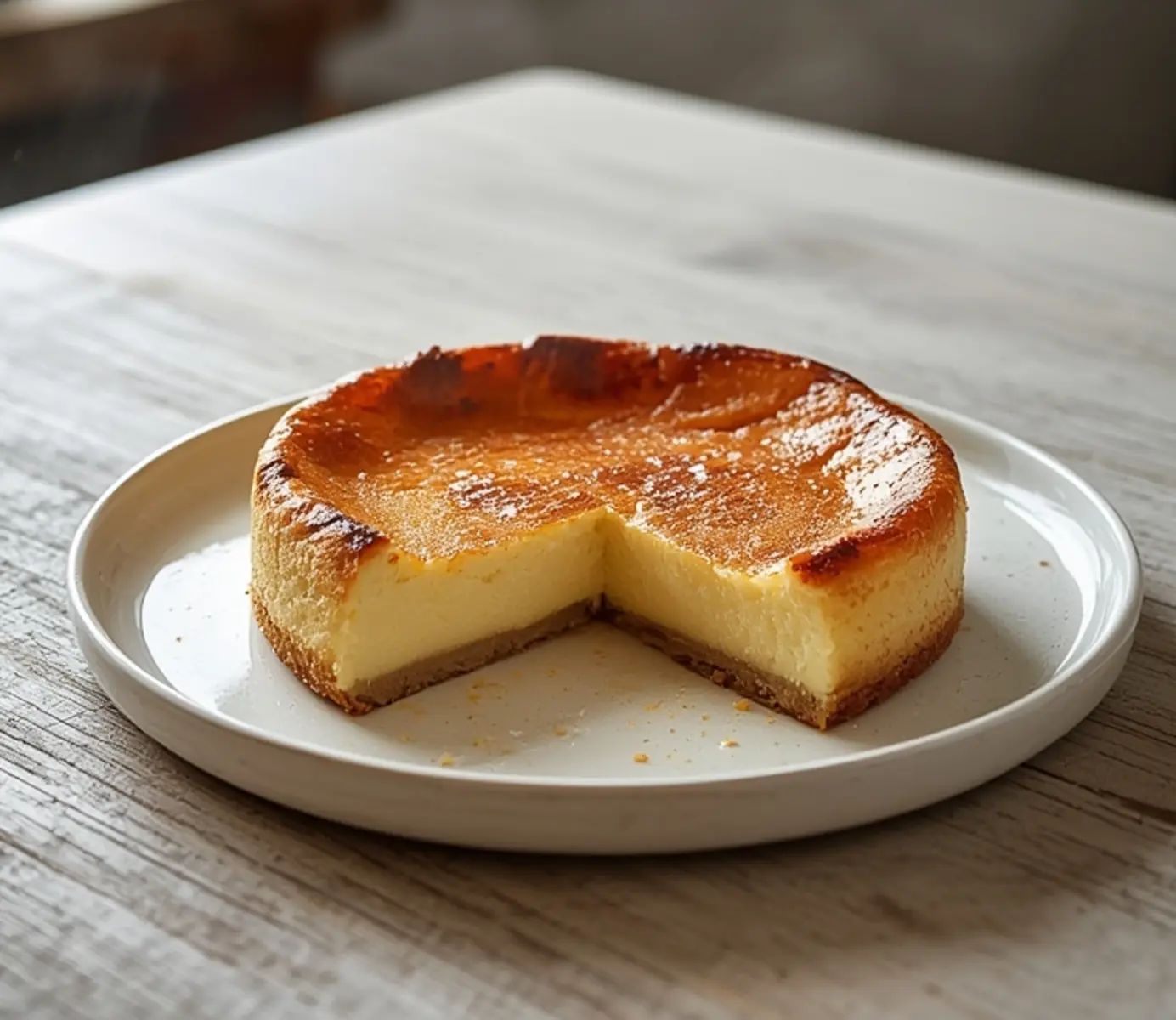
Easy Keto Japanese Cheesecake for Beginners
Ingredients
Equipment
Method
- Preheat oven to 320°F and prepare a water bath by placing a springform pan in a larger baking sheet filled with hot water.
- Beat egg whites until stiff peaks form and set aside.
- Mix cream cheese, egg yolks, erythritol, almond flour, and vanilla until smooth.
- Gently fold egg whites into the cream cheese mixture until just combined.
- Pour batter into springform pan and bake for 50-55 minutes until set and golden.
- Cool completely before serving to allow cheesecake to firm up.
Frequently Asked Questions
Can I substitute almond flour in keto Japanese cheesecake?
Yes, you can use coconut flour instead of almond flour, but use only half the amount as coconut flour is more absorbent. This keeps the cheesecake fluffy while staying low-carb. Adjust sweetness to taste if needed.
How should I store leftover keto Japanese cheesecake?
Store it in an airtight container in the refrigerator for up to 4 days. Cover the surface with plastic wrap to prevent drying out. The creamy texture holds up well when chilled.
Can I make keto Japanese cheesecake ahead of time?
Absolutely, bake it a day in advance and refrigerate overnight for the best flavor and texture. Let it cool completely before storing. Serve chilled for a perfect low-carb dessert.
What is the best way to reheat keto Japanese cheesecake?
Reheat individual slices in the microwave at low power for 10-15 seconds to maintain creaminess. Avoid overheating to prevent texture changes. Enjoy it slightly warm if you prefer a softer feel.
How can I serve keto Japanese cheesecake for a special occasion?
Top with fresh berries or a sprinkle of powdered erythritol for a festive look. Pair it with a keto-friendly whipped cream for added indulgence. It’s a great centerpiece for healthy comfort food gatherings.
Have more questions? Leave a comment below and we will help you out!